AI for Peace
Intelligence is not enough.
The most powerful technology in history is being built without much of a framework for what it is for. We build ours from one that has been here for 2,500 years — where wisdom and compassion are not features, but the point.
The thesis
Power has outrun wisdom before. This time the stakes are everything.
Humanity is brilliant at accumulating power and poor at converting it into wisdom. Every tool we have built — fire, the printing press, the atom — arrived faster than our judgment about how to use it. Artificial intelligence is the first that could out-think us while we are still catching up.
The answer is not less intelligence. It is intelligence married to wisdom and compassion — a way of asking, before can we, the older question: should we, and for whom? That question is not new. It is the one asked at the foot of these mountains for two and a half millennia. It is where we begin.
Where we began
Born at a World Peace Program, at the birthplace of the Buddha.
- Place
- Lumbini, Nepal
- Incorporated
- 12 December 2025
- Occasion
- World Peace III
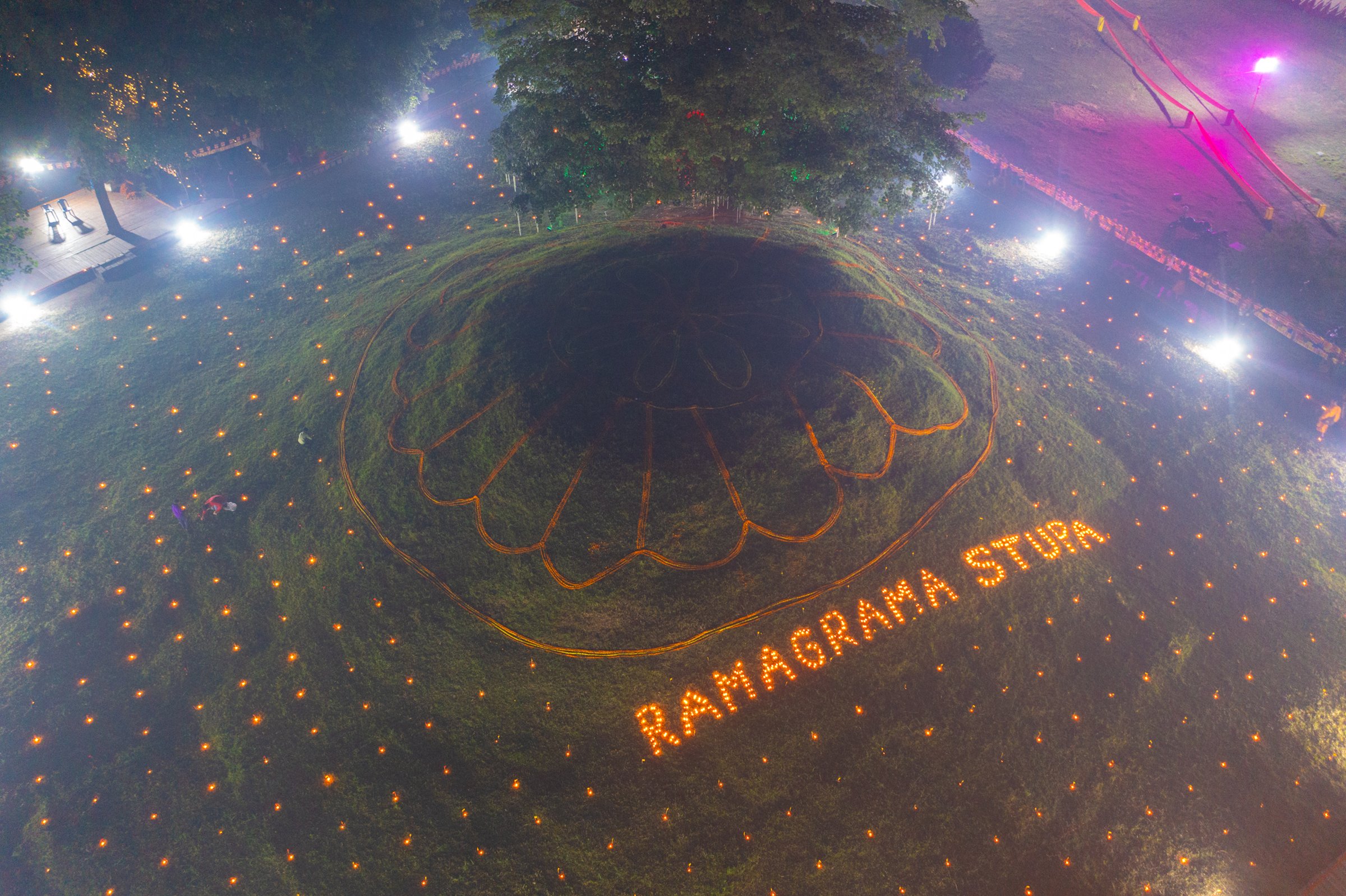
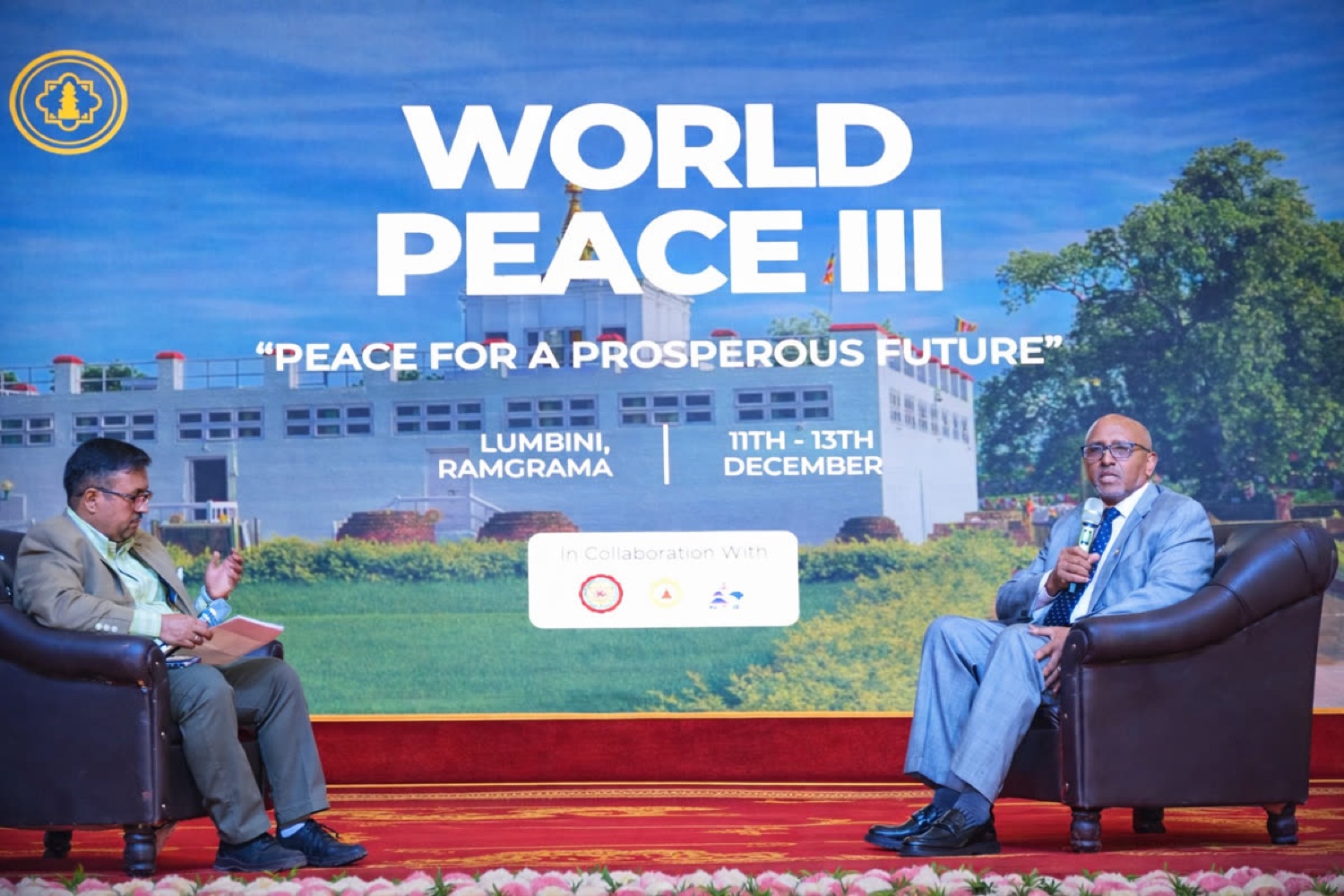
Himalayan Silicon Valley was incorporated on December 12, at a World Peace Program in Lumbini — the birthplace of the Buddha. That was not a backdrop. It was a statement of intent: to build AI infrastructure that carries the ethic of the place it comes from.
We work alongside the United Nations and its ambassadors, and with the institutions gathering around the question of how AI should serve people.
Compute and compassion, in the same company.
World Peace III — “Peace for a Prosperous Future,” Lumbini · December 2025.
How a 2,500-year framework builds AI
Three principles, applied — not decorated.
These are not slogans on a wall. They are constraints on what we build, how we pay, and who we work with.

Karuṇā
CompassionIntelligence without compassion is just capability. We build, price and partner so the technology reduces suffering rather than adds to it — starting with the people who do the work.
Prajñā
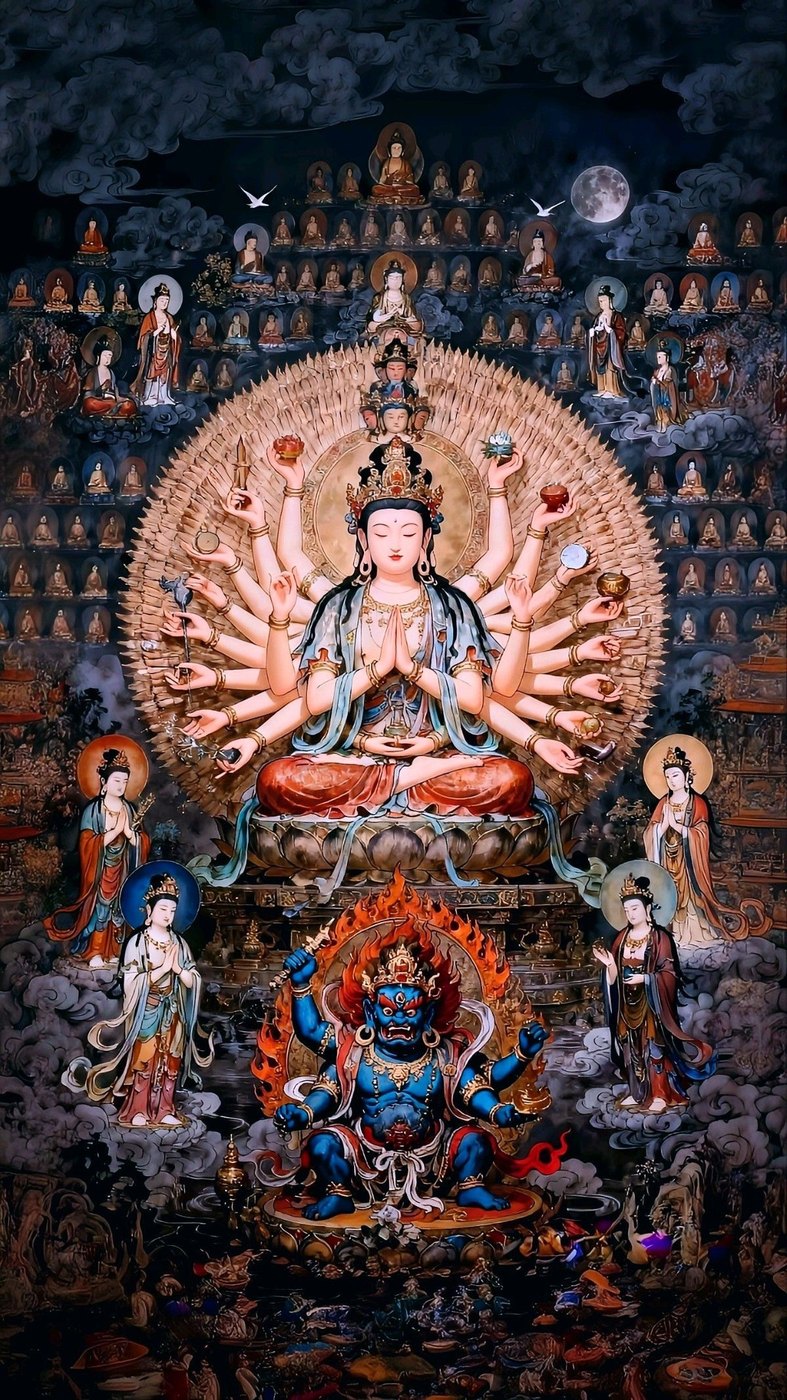
WisdomInformation is not knowledge, and knowledge is not wisdom. A 2,500-year tradition of asking what right action looks like is our operating constraint for what we build and refuse to build.
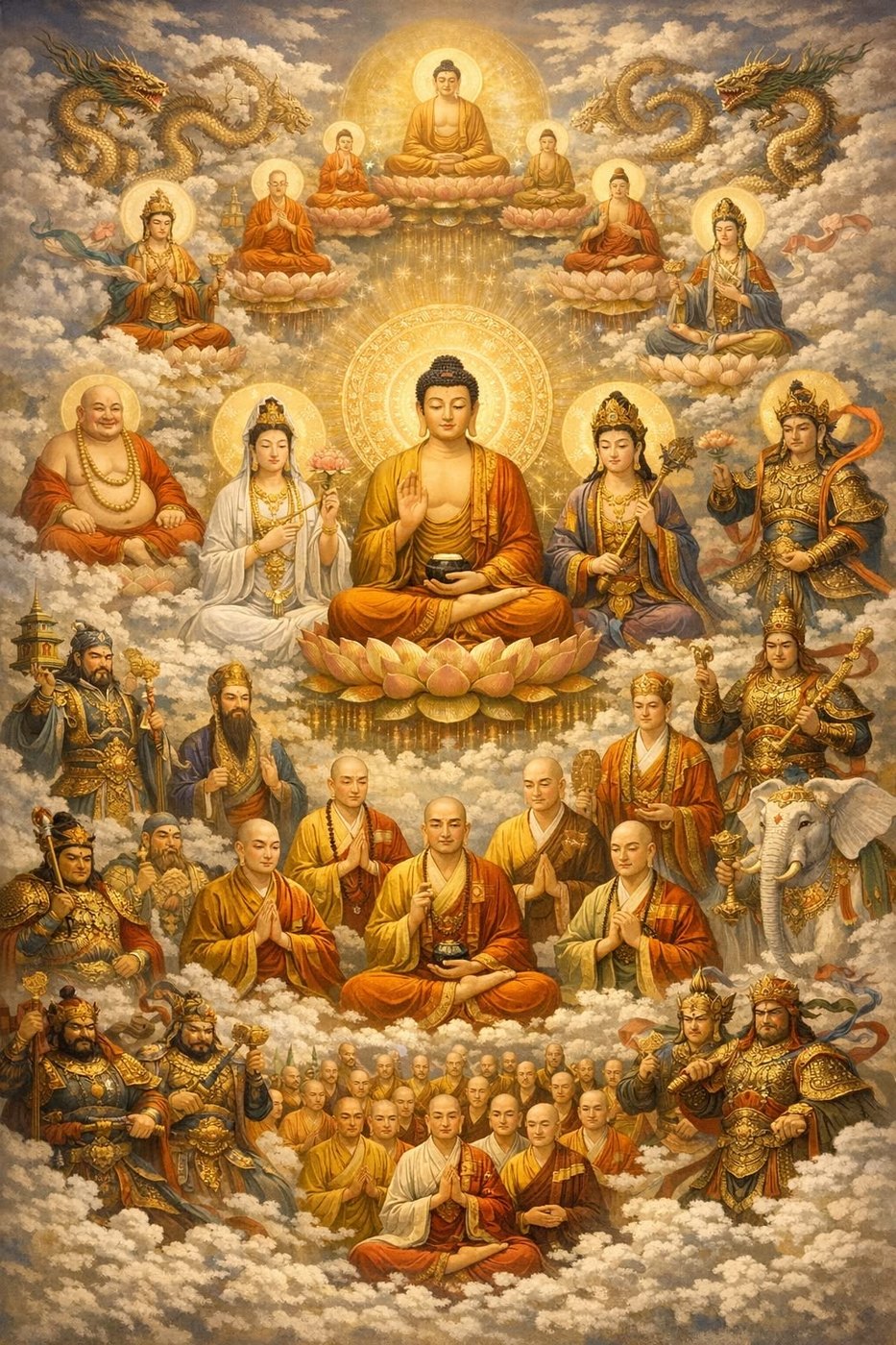
Ahiṃsā
Non-harmThe oldest engineering principle we know: first, do no harm. It shows up as human verification, honest refusals, and a bias toward safety over speed.
The world is converging
The institutions of the world now say what this tradition always did.
From UNESCO to the United Nations General Assembly, the global consensus is arriving at one idea: AI must serve human dignity — with wisdom and compassion at the centre. It echoes the UN's own Sustainable Development Goals — the same call for dignity, equity and stewardship, applied now to how the world builds AI.
The UN's 17 Sustainable Development Goals — the same global consensus this section describes, applied across every field.
Defining conversations
The people shaping AI keep arriving at the same door.
Optimists and doom-sayers, historians and engineers — the debate of our era circles one question we think we can answer: intelligence, in service of what?
Humans are brilliant at accumulating power, and poor at converting it into wisdom.
Flooding the world with information does not produce truth or wisdom — those come from slowing down. His warning: we are building the most powerful tools in history faster than we are learning to be wise with them.
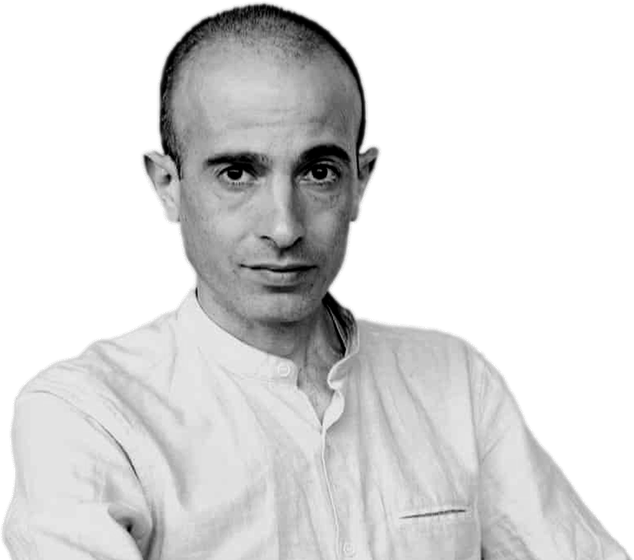
Yuval Noah Harari
Historian · author of Nexus
Positions are paraphrased or briefly quoted and attributed to their authors; follow each source for the full context.
Build AI worthy of the name.
Compute, products and a trained workforce — built in Nepal, carrying an ethic older than the technology. If that is the kind of AI you want to build, the door is open.